Introduction
In emergency clinical circumstances, the difference in between Basic Life Support (BLS) and Advanced Life Assistance (ALS) can be lifesaving. The two methods represent various degrees of care, training, and intervention in important circumstances. While BLS focuses on fundamental strategies that any person can discover, ALS incorporates advanced interventions commonly performed by healthcare experts. This article intends to look into the subtleties of Fundamental vs Advanced Life Assistance, giving a detailed understanding for laypersons and experts alike.
Basic vs Advanced Life Assistance: Understanding the Trick Differences
When contrasting Fundamental vs Advanced Life Support, it's important to understand what each involves.
Basic Life Assistance (BLS) involves the initial steps taken to receive life till professional assistance arrives. This consists of:
- Checking Responsiveness: Assessing if the individual is conscious. Identifying No Breathing: Identifying whether the casualty is taking a breath or requires prompt intervention. Taking Switches on Compressions: If CPR is needed, it's vital to alternating rescuers to preserve efficient compressions.
On the various other hand, Advanced Life Assistance (ALS) consists of much more specialized procedures usually reserved for skilled paramedics or clinical workers. ALS may involve:
- Hospital Codes and Protocols: Complying with certain standards set by medical institutions throughout emergencies. Public Defibrillator Usage: Utilizing AEDs (Automated External Defibrillators) to restore typical heart rhythm. Advanced Airway Administration: Strategies such as intubation.
Both BLS and ALS are essential in emergency situations but offer various roles and need varying degrees of training and expertise.
The Importance of Basic Life Support
What Makes up Basic Life Support?
Basic Life Assistance primarily contains:
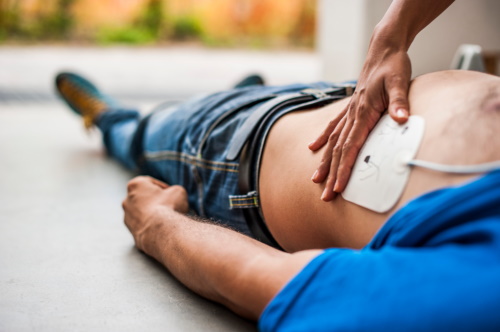
Key Parts of BLS Training
Understanding BLS training is crucial for anybody looking to be planned for emergency situations:
- Hands-on experiment mouth-to-mouth resuscitation techniques. Learning exactly how to run an AED effectively. Familiarization with identifying indicators of distress.
BLS Qualification: Why Is It Relevant?
Obtaining a BLS certification has become increasingly crucial in different fields-- specifically health care, education, and civil service. Lots of companies mandate this qualification as a requirement for employment.
Who Must Discover Basic Life Support?
The answer is straightforward: everybody! Whether you're an educator, train, or just a concerned person, understanding BLS can empower you to act decisively in emergencies.

The Function of Advanced Life Support
Defining Advanced Life Support Procedures
Advanced Life Support surpasses what laymans can provide and consists of:
Administration of medications Intravenous access Advanced respiratory tract managementTraining Needed for ALS
Professionals that give ALS needs to undergo extensive training:
- Medical understanding regarding pharmacology Skills for invasive procedures Understanding hospital codes and protocols
When Is ALS Necessary?
ALS ends up being important during severe medical emergency situations where fundamental steps are poor-- such as heart attack or serious trauma cases needing instant intervention.
Comparative Evaluation: BLS vs ALS
|Attribute|Basic Life Support|Advanced Life Assistance|| ------------------------------|----------------------------|--------------------------------|| Training Level|Minimal (nonprofessional level)|Extensive (doctor)|| Treatments|CPR, AED usage|Medicine administration|| Tools Used|AEDs|IV tools, intubation tools|| Range of Practice|Initial evaluation|Comprehensive emergency situation care|
This table highlights significant differences in scope, training requirements, and treatments in between BLS and ALS.
Essential Skills for Effective Fundamental Life Support
Checking Responsiveness: The Initial Step
The first action when experiencing a less competent individual is to check their responsiveness by carefully shaking them or calling their name noisally. If there's no action:
Call emergency solutions immediately. Begin mouth-to-mouth resuscitation if there's no breathing detected.Identifying No Breathing: A Vital Evaluation
Knowing how to determine no breathing can indicate the distinction in between life and fatality:
Look for breast rise and fall. Listen for breath sounds near the mouth. Feel for breath versus your cheek.If there's no breathing spotted within 10 secs, start CPR immediately.
Performing Efficient CPR Techniques in BLS
Taking Turns on Compressions: The Importance of Teamwork
In a team setup during a resuscitation effort:
Ensure that rescuers take turns every 2 minutes or after 30 compressions to avoid fatigue. Keep track of time making use of a clock or timer if available.This team effort not only boosts performance yet makes sure continual high quality compressions throughout the process.
Lower Compression Depth: A Common Mistake
Many individuals Check out this site underestimate the called for depth of breast compressions during CPR:
- Aim for at least 2 inches deep in adults while enabling complete recoil in between compressions. A lower compression deepness can drastically reduce blood flow efficiency during cardiac arrest.
Advanced Strategies in Advanced Life Support
Hospital Codes and Protocols: What You Required to Know
Understanding healthcare facility codes is crucial when functioning together with medical care specialists throughout emergency situations:
Code Blue generally indicates cardiac arrest; -responders should prepare accordingly. Familiarity with regional methods guarantees reliable interaction with hospital team once EMS arrives.Public Defibrillator Usage: Lifesaving Technology
AEDs are becoming increasingly common in public areas:
Most gadgets offer audible instructions; follow them closely. Ensure that no person is touching the person throughout defibrillation delivery.
Utilizing an AED promptly increases chances of survival considerably complying with cardiac arrest events.
Maintaining Composure Under Pressure
In high-stress situations-- like carrying out mouth-to-mouth resuscitation or collaborating rescue initiatives-- keeping calmness can be tough yet important:
Take deep breaths before participating in lifesaving measures. Delegate jobs among staff member effectively based on everyone's capability; this lowers chaos.A tranquil demeanor assists guarantee that activities taken are intentional as opposed to rash or worried-- important in protecting life till expert assistance arrives.
FAQ Section
Q1: What are some indications that somebody might require BLS?
A1: Indications include unresponsiveness, no normal breathing patterns, and visible distress indicating prospective heart attack or choking incidents.
Q2: The length of time does it take to obtain licensed in BLS?
A2: A lot of programs use qualifications within 4-- 6 hours; nonetheless, first aid trainers brisbane recertification is generally called for every 2 years as a result of updates in procedures and methods taught!
Q3: Can anyone carry out standard life support?
A3: Yes! Although training isn't essential legitimately speaking-- it's very recommended-- to guarantee efficient techniques are followed properly!
Q4: What tools is generally utilized throughout advanced life support?
A4: Tools may include IV sets, progressed airway administration tools like laryngoscopes & & bags/masks created especially for delivering oxygen effectively!
Q5: Just how does team effort affect success rates throughout resuscitation efforts?
A5: Solid synergy enables better communication & & delegation which ultimately leads towards greater efficiency prices when doing essential lifesaving measures!
Q6: Is public accessibility defibrillation common?
A6: Absolutely! Several districts urge positioning AEDs tactically throughout public places-- boosting general area safety and security greatly!
Conclusion
Understanding the distinctions between Basic vs Advanced Life Support empowers people from all walks of life with important abilities required during emergency situations! By incorporating theoretical knowledge with sensible application-- every person stands prepared ought to they experience someone facing dire situations requiring immediate intervention! Whether you're taking into consideration getting your very own qualification-- or simply enlightening on your own about these important lifesaving procedures-- it's clear that being notified makes us all better ready people all set to lend aid when called upon! So proceed-- take that initial step in the direction of making a distinction today!